
Supporting Local Heroes: Special Savings Available For Veterans & First Responders
Ice Dam Prevention for Minnesota Homes
How to Actually Stop Ice Dams From Coming Back Every Winter
The Short Answer
Prevention Means Fixing Attic Insulation, Air Sealing, and Ventilation
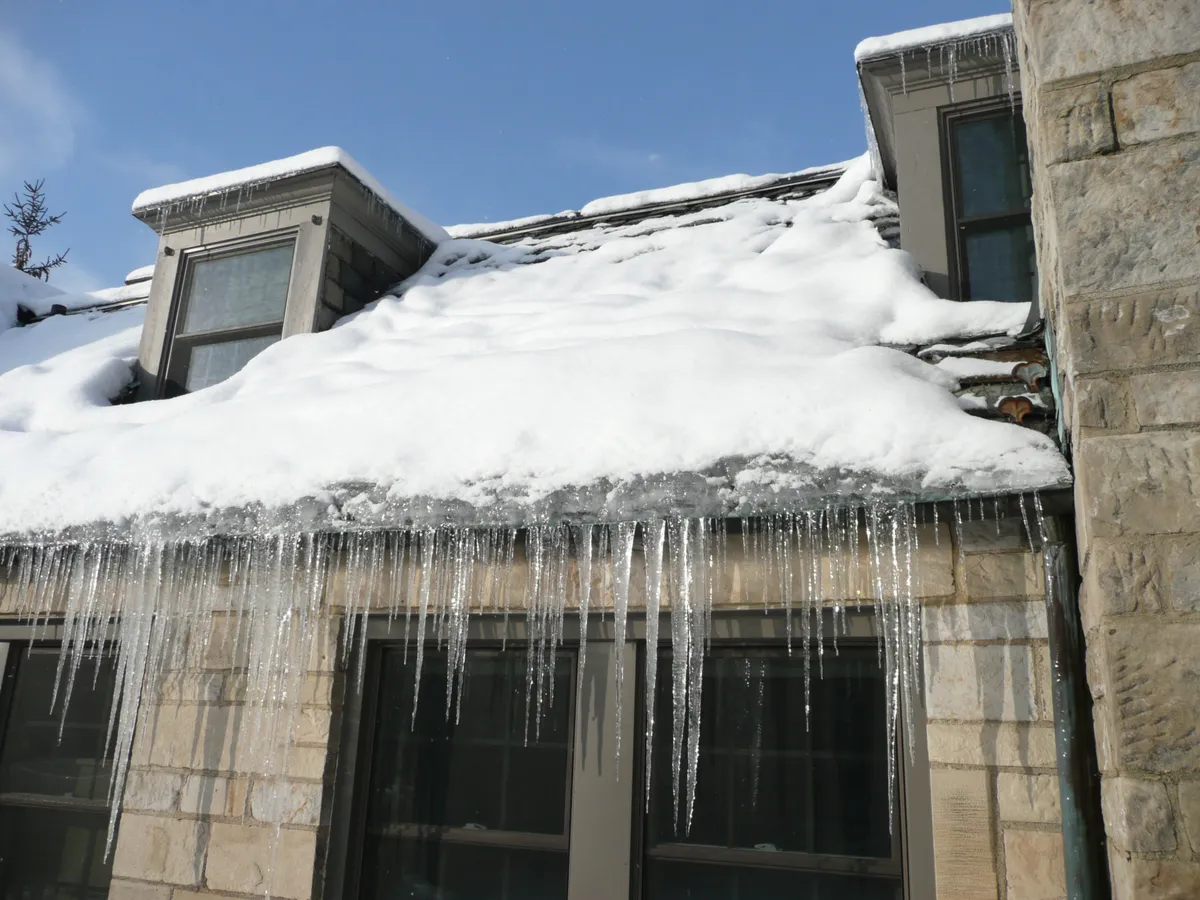
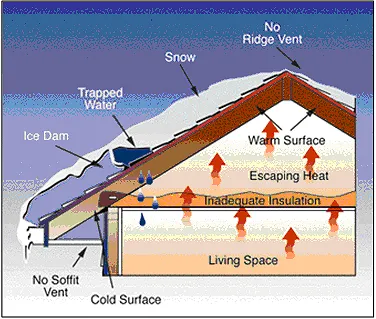
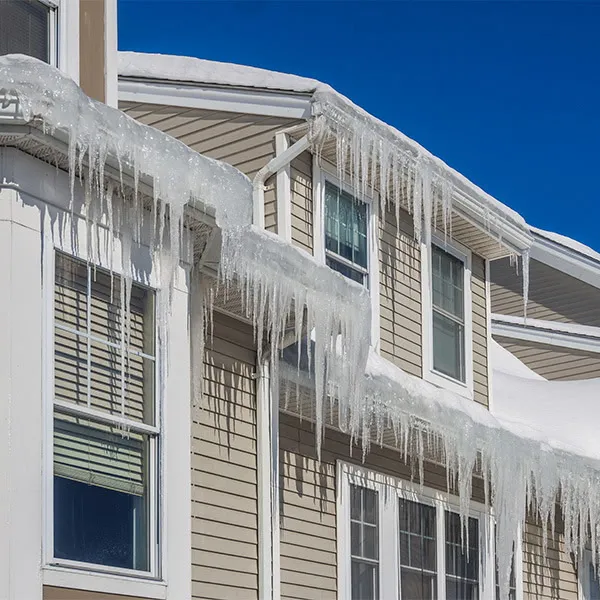
Removing an ice dam solves the immediate problem, but it does nothing to stop the same ice dam from forming again the next time it snows, because ice dams are caused by heat escaping into the attic and warming the roof deck unevenly, not by anything wrong with the shingles themselves. Preventing an ice dam from recurring means addressing the actual heat source, which almost always comes down to three things working together: attic insulation that is not letting household heat escape into the attic, air sealing that closes the specific gaps warm air uses to get there, and ventilation that keeps the attic space close to outdoor temperature even when some heat does get through. A roof and attic inspection identifies which of these three is the weak link in a specific home, since it is rarely all three equally.
Special Savings Offer
Get Your Free Estimate & Safeguard Your Property Today
The Three Pillars of Ice Dam Prevention
What Actually Stops an Ice Dam From Reforming
Ice dam prevention is sometimes treated as one single fix, but it is really three separate systems that all affect the same outcome. Understanding how each one contributes helps explain why a home can have decent insulation and still form ice dams, or plenty of ventilation and still have a heat loss problem.
Attic insulation
Insulation depth and R-value: Insulation that has settled, compressed, or was simply under-installed to begin with allows more household heat to reach the attic floor and eventually the roof deck above it.
Even coverage across the attic floor: Gaps or thin spots in insulation coverage create localized hot spots on the roof above them, which is often why an ice dam forms in the same specific location every year.
Insulation around recessed lighting and attic hatches: These fixtures are common weak points where insulation is thinner or missing entirely, letting concentrated heat escape right above them.
Air sealing
Gaps around recessed lights and fixtures: Warm, moist household air rising into the attic through unsealed fixture penetrations is one of the most common and fixable sources of attic heat gain.
Attic hatch and pull down stair seals: An unsealed or poorly weatherstripped attic access point can act like an open door for warm air rising from the living space below.
Plumbing and electrical penetrations: Pipes, wires, and vents that pass through the attic floor often have small gaps around them that add up across a whole attic.
Attic ventilation
Balanced intake and exhaust airflow: Proper ventilation relies on soffit vents drawing in outside air and ridge or roof vents letting warm air escape, working together rather than either one alone.
Sufficient net free vent area: Ventilation systems are sized to the attic's square footage, and undersized ventilation cannot move enough air to keep the attic close to outside temperature even with good insulation.
Unobstructed soffit vents: Insulation or debris blocking soffit vents from the inside defeats the ventilation system even if the vents themselves are physically present and appear fine from outside.
How Elevation Exteriors Approaches Ice Dam Prevention
Every ice dam removal call includes an assessment of attic insulation and ventilation, not just a look at the visible ice, because fixing the cause is the only way to stop paying for the same removal again next winter. When the assessment identifies a specific gap, the recommendation is scoped to that actual issue rather than a blanket upsell to redo the whole attic. Schedule a roof and attic inspection.
Process
Our Ice Dam Removal Process
Step 1: Contact Our Team
Call or fill out the form. We'll assign you a dedicated point of contact and get you scheduled quickly.
Step 2: Detailed Property Assessment
We inspect the ice buildup, roof condition, and interior damage, and identify what's causing it.
Step 3: Review Your Estimate
Our estimates are free, accurate, and designed to make the entire process pain-free! Your designated project manager will walk you through each line item, ensuring all of your questions are answered in-depth.
Step 4: Removal & Repairs
Our crew safely removes the ice and makes any needed repairs. You'll get text updates the whole way.
Step 5: Clean-Up & Prevention Plan
We leave your home clean and give you a plan to help prevent ice dams from returning.
FAqs
Common questions Your Neighbors Are asking
Can adding more insulation alone stop ice dams?
It helps but is not always sufficient on its own, since air leaks and inadequate ventilation can still let enough heat through to cause an ice dam even with good insulation depth.
How do I know if my attic ventilation is actually adequate?
A professional roof and attic inspection can check whether intake and exhaust ventilation are balanced and unobstructed, which is difficult to assess accurately without getting into the attic and checking the soffits directly.
Is ice dam prevention a one time fix or ongoing maintenance?
Once insulation, air sealing, and ventilation are corrected, the fix is generally permanent barring new gaps introduced by later home modifications, though periodic checks are reasonable after any attic work like adding wiring or fixtures.
Elevating Exteriors Across The Greater Twin Cities.
St. Francis MN
East Bethel MN
Blaine MN
Anoka MN
Coon Rapids MN
Ramsey MN
& More




The Twin Cities' Trusted Exterior Contractor. Proudly Serving Andover, MN and the surrounding NW Metro.
Licensed & Insured in MN: #cR806992
Copyright 2026. Elevation Exteriors. All rights reserved.