
Supporting Local Heroes: Special Savings Available For Veterans & First Responders
Roof Replacement in Andover and Anoka County
Roof Replacement in Andover, MN From a CertainTeed Premier ShingleMaster Certified Crew
What Roof Replacement Covers
Full Roof Replacement for Andover and Anoka County Homes
A roof replacement removes the existing roofing down to the bare decking and installs a complete new roof system in its place, rather than layering new shingles over old ones. It covers every layer between the sky and the attic, from the decking and underlayment to the flashing, ventilation, and shingles on top. Homeowners in Andover and across Anoka County search for it when a roof is near the end of its service life, after a hailstorm, or when an inspector or adjuster says the roof has to come off. The scope is narrower than a full exterior project, and it centers on one question, which is whether the whole roof system should be rebuilt.
Architectural shingle replacement: The current standard for residential roofs, with a dimensional profile and longer life than the three tab shingles they replaced. A fit for most homes.
Impact resistant shingle replacement: Class 4 rated shingles built to take hail impact, which can qualify for insurance discounts in hail prone areas. Worth pricing on any roof that has been hit before.
Tear off and decking repair: Old roofing stripped to the deck, with soft or damaged sheathing replaced before anything new goes down. This is where hidden water damage gets found.
Flashing and drip edge renewal: Step flashing, valley flashing, pipe boots, and drip edge replaced instead of reused. These small parts cause most leaks on an aging roof.
Ventilation correction: Intake and exhaust airflow rebalanced during the replacement so the new shingles are not cooked from below. It also helps prevent ice damming.
Premium designer shingles: Shingles that mimic slate or wood shake for homes where curb appeal drives the decision. Priced above standard architectural options.
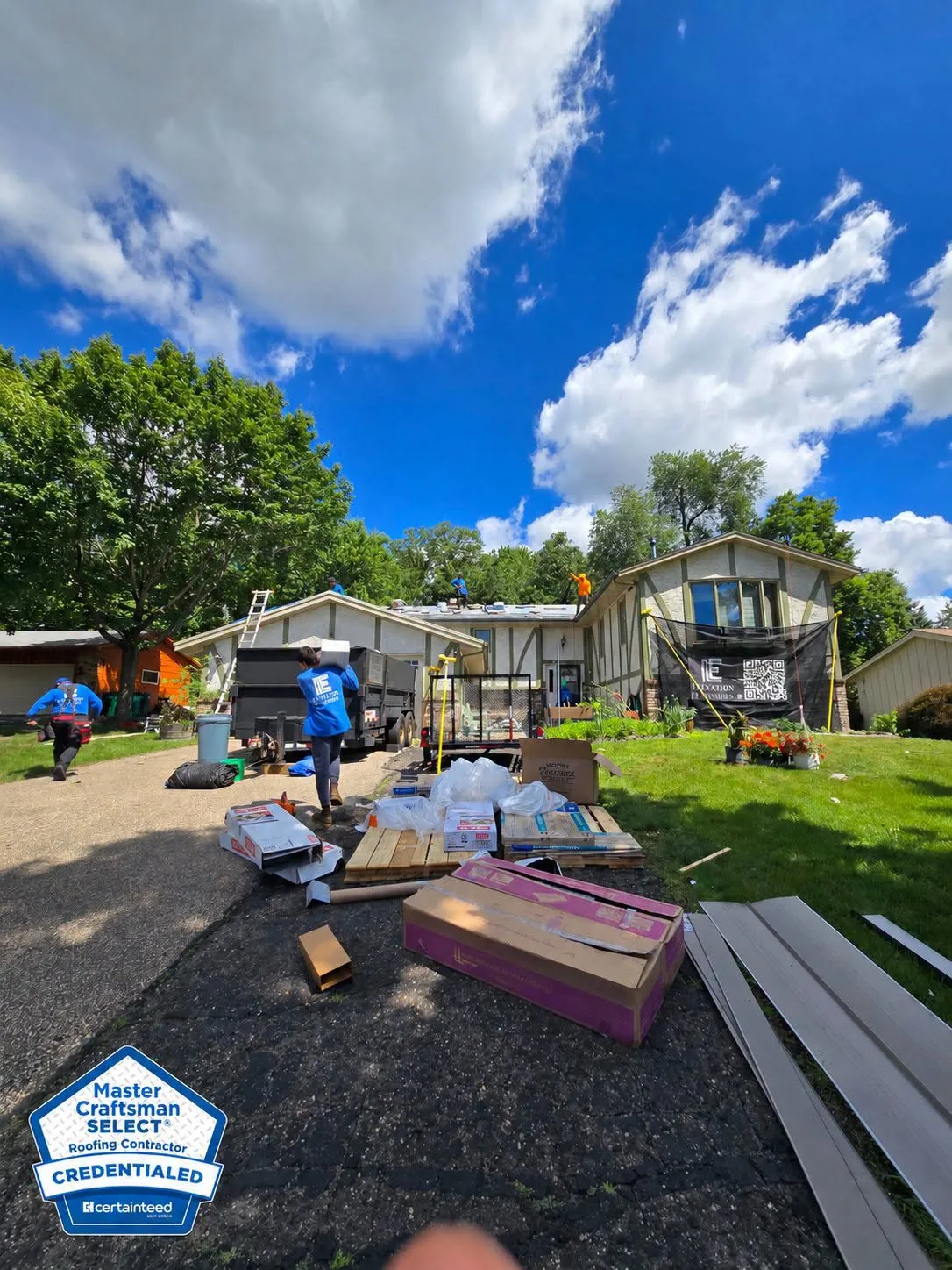
Special Savings Offer
Get Your Free Estimate & Safeguard Your Property Today
Why and When It Matters
What a New Roof Actually Replaces, and When Waiting Stops Making Sense
A roof is a system, not a layer of shingles. Under the shingles sit ice and water shield at the eaves and valleys, synthetic underlayment across the field, drip edge along the edges, step flashing where the roof meets walls, and a ventilation path that moves air through the attic. Each part solves a specific failure, so a replacement that skips any of them can look finished from the street and still leak in three years. Minnesota puts more stress on that system than most places, with deep freeze thaw cycles, ice damming at the eaves, heavy snow loads, and summer hail that can bruise shingles without showing from the ground. Most homeowners only meet this system once or twice in the life of a house, which is why it is hard to judge what a replacement should include or whether a quote has quietly left something out. Understanding the layers is the fastest way to compare bids on what is actually being installed rather than on price alone. The sections below cover what a replacement changes about the house and the moments when waiting stops making sense.
What a Replacement Does That a Repair Cannot
The decking gets a full inspection: A replacement is the only time the sheathing under the old roof is completely exposed. Soft, stained, or delaminated sheets found at that point get replaced instead of buried under new shingles. Covering bad decking is how a brand new roof ends up with a short life.
Underlayment and ice and water shield do the real waterproofing: Shingles shed most water, but the underlayment and shield catch what gets past them. Ice and water shield belongs at least 24 inches up from the eave and in the valleys, which are the spots where Minnesota ice dams push water uphill under the shingles. These layers are invisible once installed, so they are the first place a low bid saves money.
Ventilation decides how long the shingles last: Balanced intake through the soffits and exhaust at the ridge keeps attic heat and moisture from baking the shingles from underneath. The common target is one square foot of net free vent area for every 150 square feet of attic floor. Poor ventilation shortens shingle life, feeds ice dams, and can void manufacturer warranties.
Flashing and penetrations get renewed: Step flashing at walls, valley flashing, and pipe boots fail long before the shingles do. Replacing them with the roof, rather than reusing old metal, removes the most common leak points from the next several decades of the roof.
When Replacing Makes Sense
The shingles are near the end of their life: Granules collecting in the gutters, curling or cupping edges, and brittle tabs all signal shingles that have stopped shedding water well. Replacing on your own schedule beats replacing after the first leak, because you choose the materials and timing instead of reacting to an emergency.
A hail or wind event left documented damage: Carriers set windows for reporting storm damage, and a claim filed promptly is easier to document than one filed after a season of weathering. Hail season runs from spring through late summer in Minnesota, so damage found in late summer should be reported before fall.
Before the September and October rush: Demand for roofing in Anoka County climbs as homeowners race the first snow. Booking earlier shortens lead times on materials and crews, and it avoids cold weather that slows the bond of shingle seal strips.
Repairs have started to add up: When patches begin covering multiple slopes or the same leak keeps returning, a replacement usually delivers more value than another repair. An inspection can show whether the problem is localized or spread through the whole system.
How the Roof Gets Replaced
The Elevation Exteriors Roof Replacement Process
Step 1: Free Inspection and a Line by Line Estimate
A project manager inspects the roof, the attic ventilation, and any visible damage, then walks through the estimate one line at a time so you know what each item covers. You get a dedicated point of contact from the first call, so questions go to the same person who wrote the estimate. Text updates start here and continue through the last day of the job.
Step 2: Material Selection and Financing
Shingle choice, color, and any Class 4 or designer upgrades are settled before a date is set. Elevation Exteriors installs CertainTeed systems as a CertainTeed Premier ShingleMaster certified contractor, which is what allows a 50 year warranty covering both materials and labor. Financing through Enhancify is available if you want to spread the cost.
Step 3: Tear Off and Decking Inspection
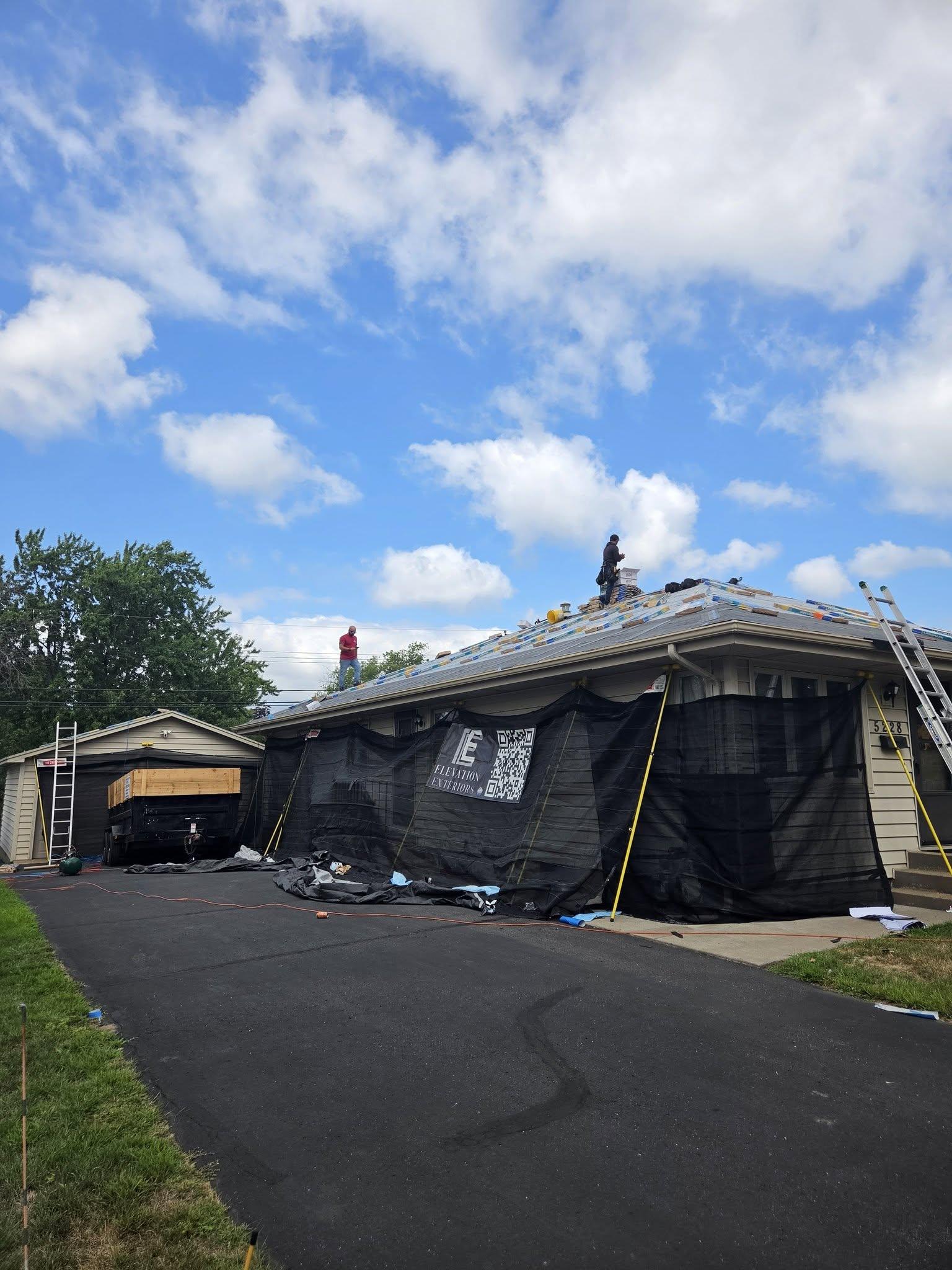
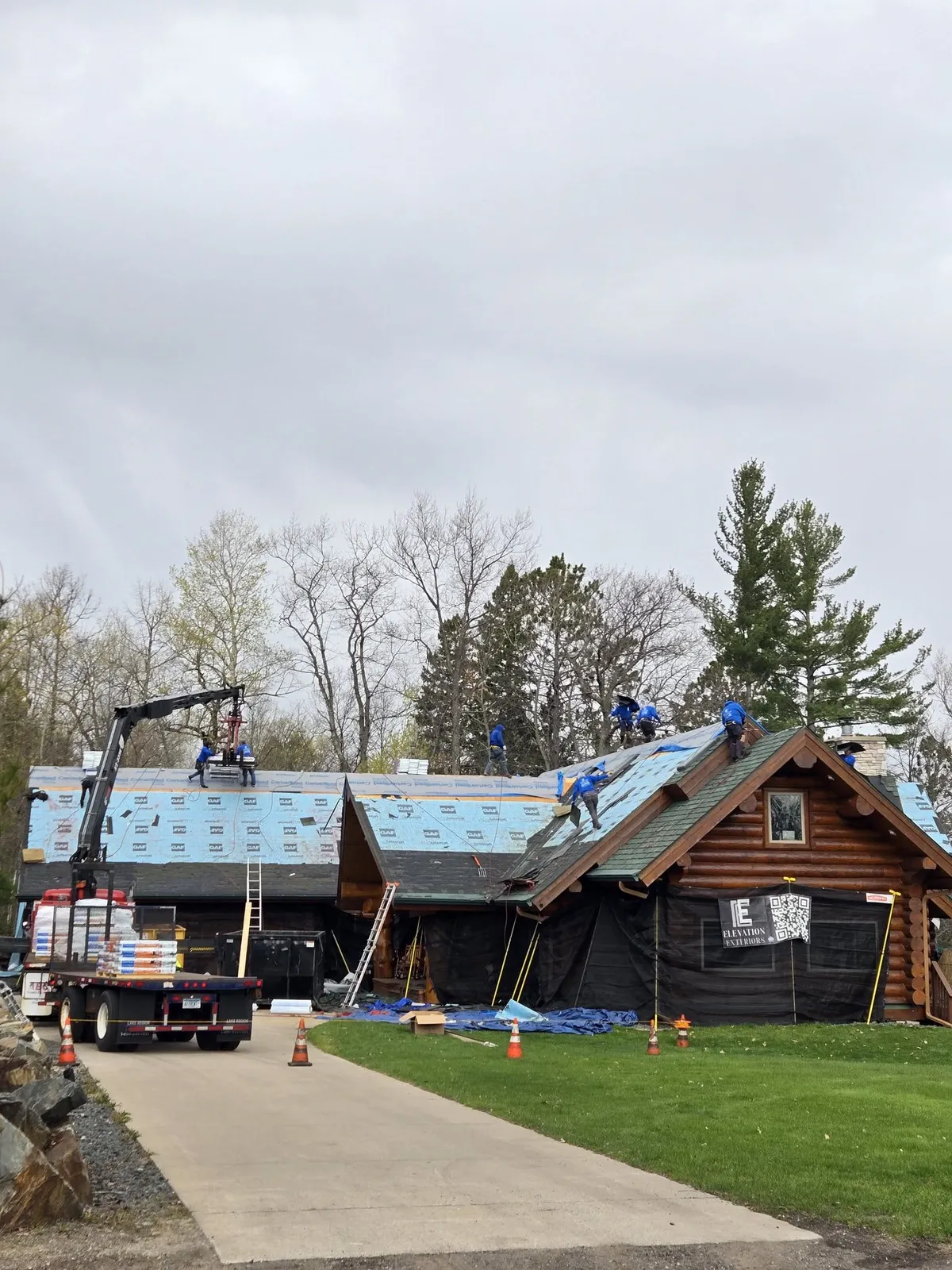
The crew arrives with a dumpster or trailer, strips the roof to the deck, and checks every sheet of sheathing. Damaged decking is photographed before it is replaced and before any new material covers it, so you see exactly what was under your old roof. Any change in scope is explained to you before work continues.
Step 4: Layered Installation
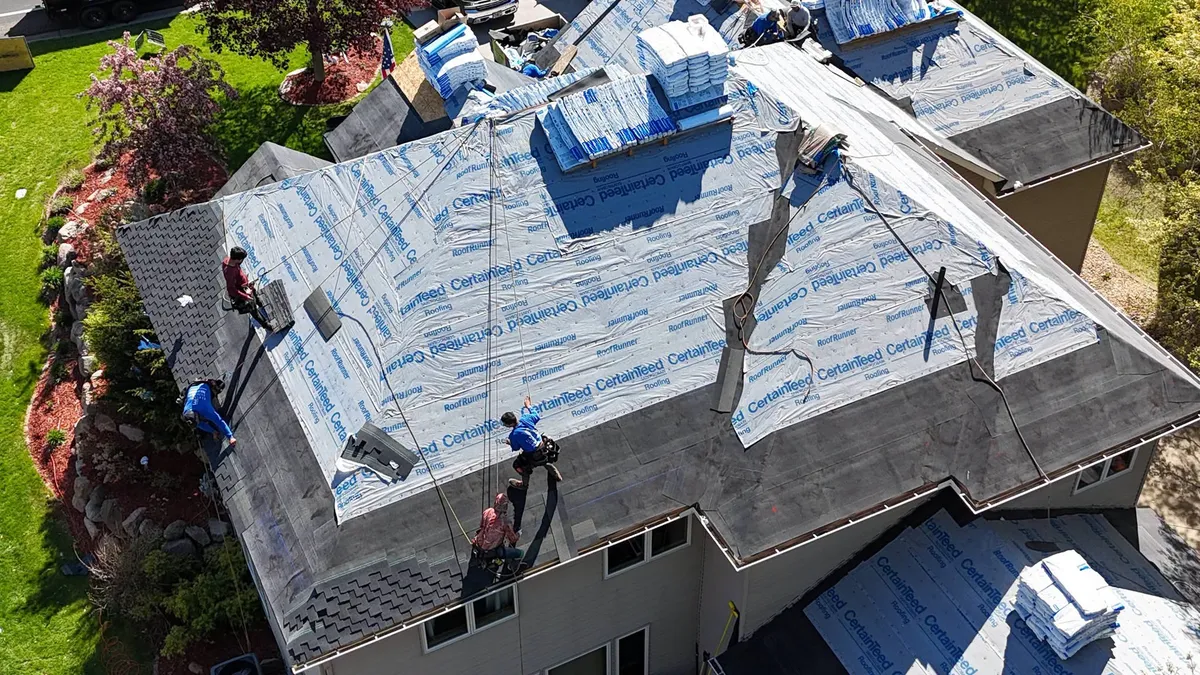
Ice and water shield goes in at the eaves and valleys, synthetic underlayment covers the field, and drip edge goes on before the underlayment at the eaves and over it at the rakes. Step flashing, valley flashing, and new pipe boots follow, then the shingles and a properly nailed ridge cap. Ventilation is corrected in the same pass so the new roof breathes the way it should.
Step 5: Same Day Completion and a Magnetic Sweep
A standard residential roof is finished in a single day, so the house is never left open overnight. Magnetic rollers sweep the lawn, driveway, and flower beds for nails before the crew pulls away.
Step 6: Final Walkthrough and Warranty Review
Your project manager walks the finished roof with you, goes through the decking photos, and explains the warranty. The goal is that you finish the project knowing exactly what is on your house and why.
FAqs
Common questions Your Neighbors Are asking
How long does a roof replacement take?
A standard residential roof replacement is completed in one day, from tear off to cleanup, when the weather cooperates. Larger roofs, steep pitches, or roofs that need decking repairs can take longer, and you get a specific timeline during the estimate. Weather sets the schedule more than the crew does, which is why the date is confirmed by text as it gets closer. Learn more about how long a roof replacement takes.
Will you replace damaged decking?
Yes. Once the old roofing is off, every sheet of decking is inspected, and soft or rotted sections are replaced before the new roof goes on. The decking is photographed first, and any change in scope is explained to you before the crew proceeds. That sequence keeps hidden damage from becoming a surprise on the invoice or a leak later.
Do you tear off the old roof or install over it?
A full tear off is the standard because layering over old roofing hides decking problems and adds weight the roof was not designed to carry. It also removes the chance of building a new roof on top of a failing one. A tear off is what makes the decking inspection possible in the first place.
What does the 50 year warranty cover?
The 50 year warranty covers both materials and labor on the CertainTeed roof system, and Elevation Exteriors can offer it as a CertainTeed Premier ShingleMaster certified contractor. Your project manager reviews the warranty with you at the final walkthrough so you know what is covered.
Can I finance a roof replacement?
Yes, financing is available through Enhancify. Specific terms are reviewed during your estimate so you can compare the monthly cost against the project cost. Financing is optional and does not change the scope of the work.
Elevating Exteriors Across The Greater Twin Cities.
St. Francis MN
East Bethel MN
Blaine MN
Anoka MN
Coon Rapids MN
Ramsey MN
& More




The Twin Cities' Trusted Exterior Contractor. Proudly Serving Andover, MN and the surrounding NW Metro.
Licensed & Insured in MN: #cR806992
Copyright 2026. Elevation Exteriors. All rights reserved.