
Supporting Local Heroes: Special Savings Available For Veterans & First Responders
Ice Dam Roof Damage in Minnesota
Are Ice Dams Actually Dangerous for Your Roof
The Short Answer
Yes, Ice Dams Cause Real Structural and Interior Damage
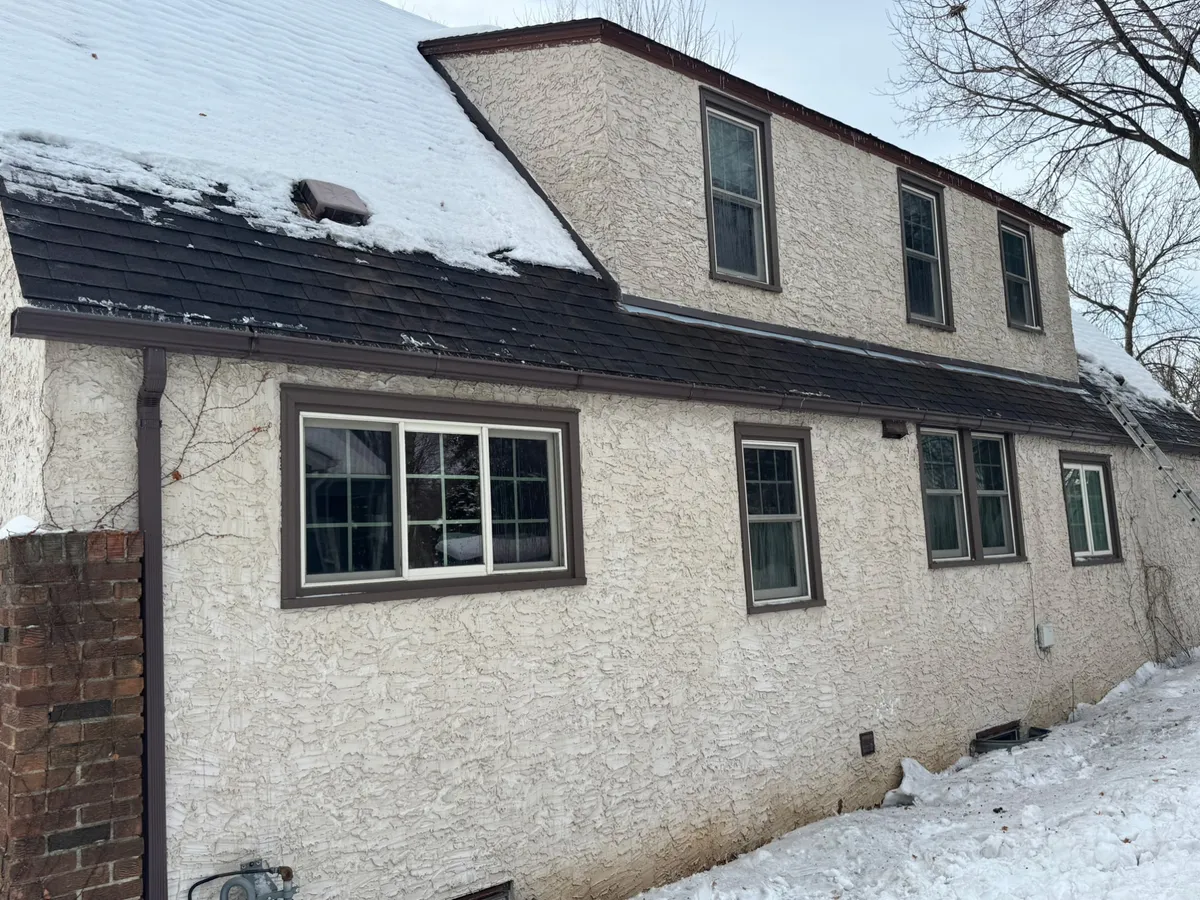
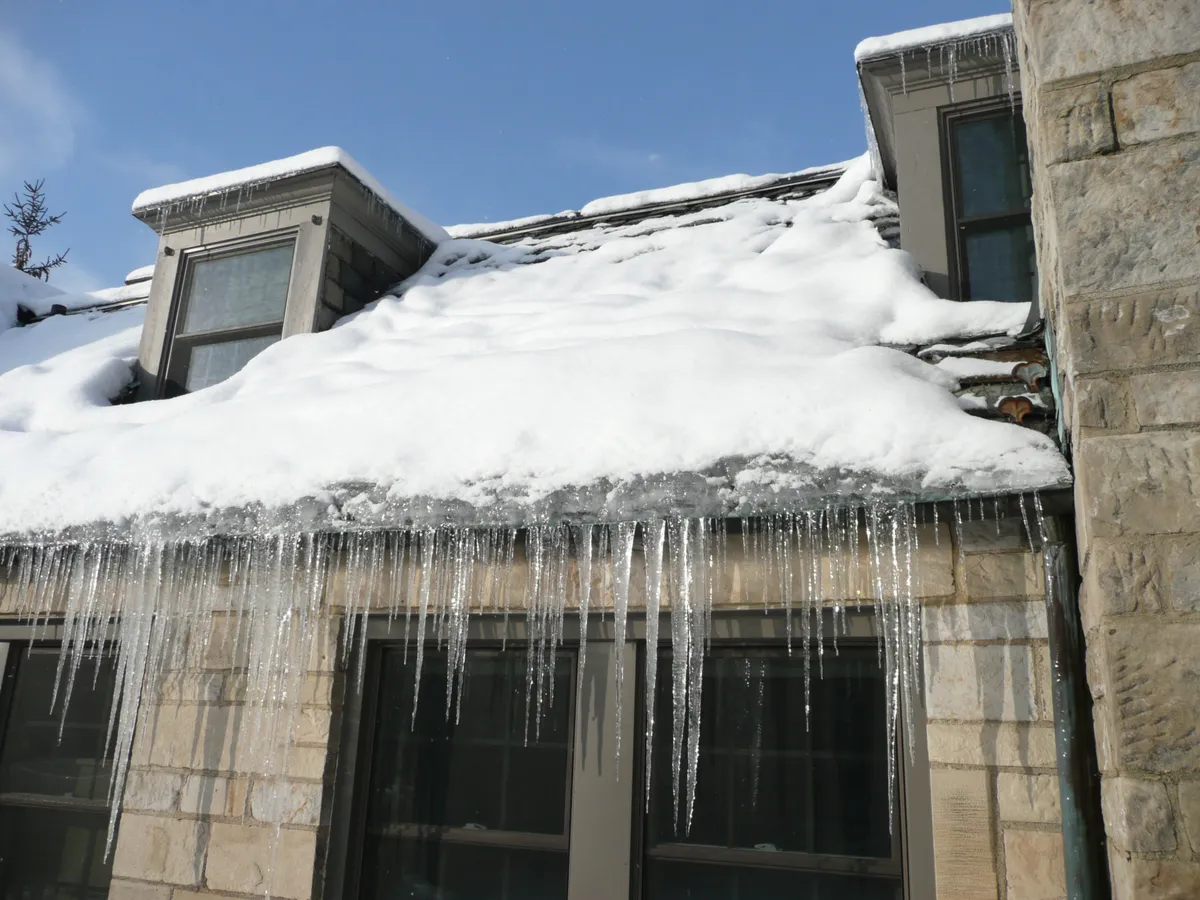
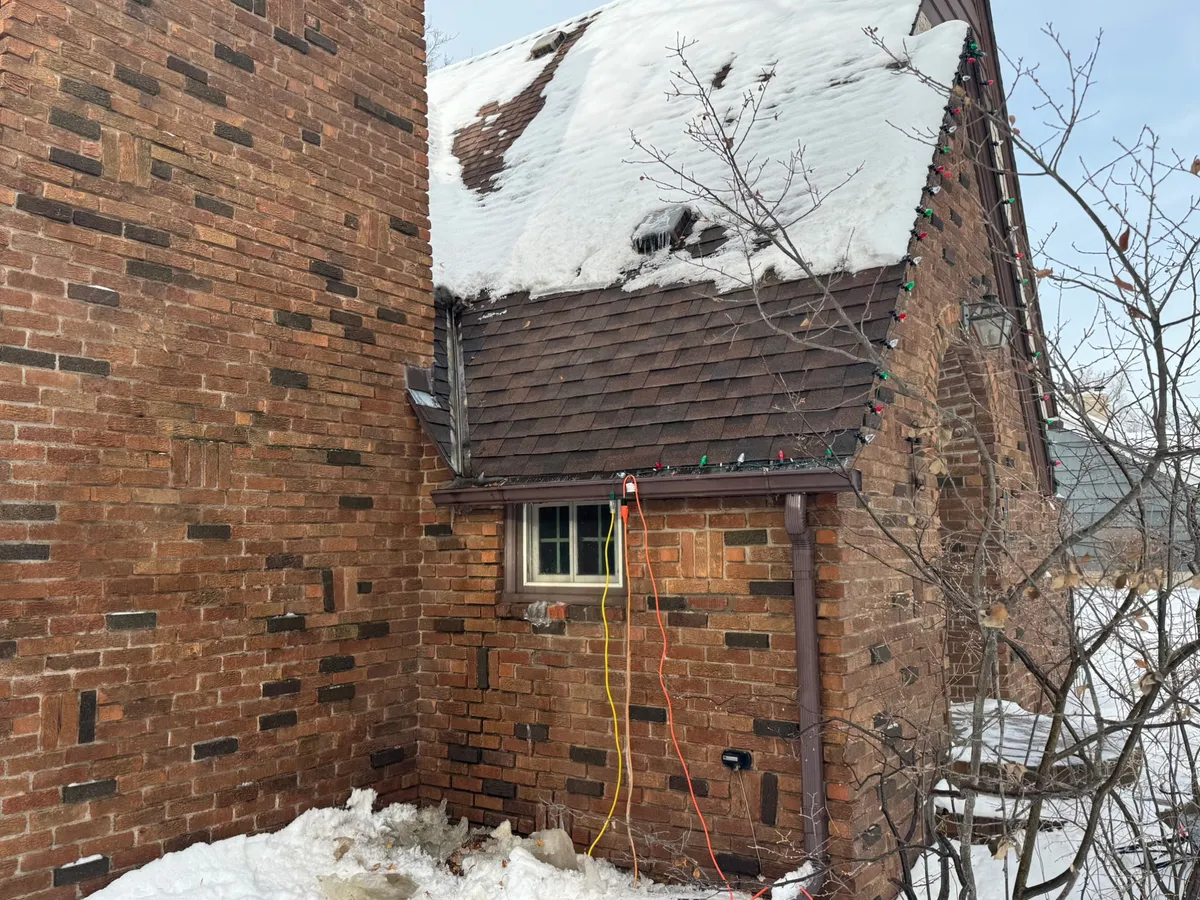
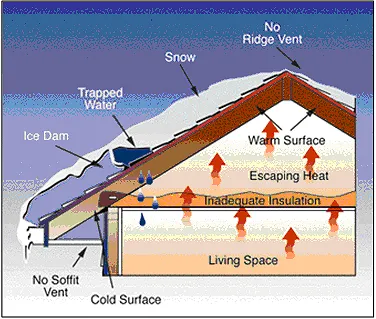
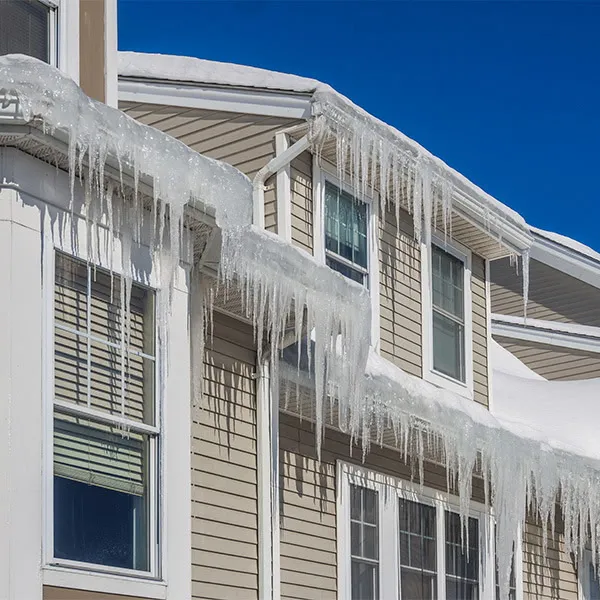
Ice dams are genuinely dangerous to a roof, not just an unsightly winter nuisance. An ice dam forces meltwater to back up under the shingles instead of draining off the roof edge the way it is designed to, and once that water is under the shingles it has nowhere to go but down into the roof deck, the insulation, and eventually the ceiling or walls below. This can cause leaks, saturated attic insulation, rotted roof decking, mold growth, and gutters torn loose or bent from the sheer weight of trapped ice. The damage does not always show up immediately, either. Water can travel along rafters and framing for some distance before it appears as a stain on a ceiling, which means visible damage is often a sign the problem has already been happening for a while.
Special Savings Offer
What Ice Dam Damage Actually Looks Like
The Specific Ways an Ice Dam Damages a Home
It helps to understand ice dam damage as a chain reaction rather than a single event. Each stage compounds the one before it, which is part of why an ice dam left alone tends to get more expensive to fix the longer it sits.
Damage to the roof itself
Lifted or cracked shingles: Trapped water and repeated freeze and thaw cycling can lift shingles at their seams or crack them outright, compromising the roof's water resistance even after the ice is gone.
Damaged flashing: Flashing around chimneys, vents, and valleys can be forced loose by water pressure building up behind an ice dam, creating a leak point that persists after the ice melts.
Rotted roof decking: Water that gets under the shingles and sits against the plywood decking for an extended period can rot that decking, which then has to be replaced before any new roofing can go on.
Damage inside the home
Wet or compressed attic insulation: Insulation that gets saturated loses much of its insulating value even after it dries, and wet insulation is also a starting point for mold growth.
Ceiling and wall stains or bubbling paint: Visible water stains, bubbling, or peeling paint are a sign water has already traveled through the ceiling or wall assembly, not just the roof.
Mold growth in wall and attic cavities: Trapped moisture in an enclosed space like an attic or wall cavity creates the exact conditions mold needs, and it can develop in places that are not visible without opening up the wall or ceiling.
Damage to gutters and exterior components
Bent or torn gutters: The sheer weight of ice sitting in a gutter section can pull fasteners loose from the fascia or bend the gutter itself out of shape.
Detached downspouts: Ice expanding inside a downspout or gutter run can crack fittings and separate sections that were previously secure.
Fascia board damage: Water running behind a compromised gutter system often runs directly down the fascia board, which is typically wood and can rot from repeated exposure.
How Elevation Exteriors Assesses Ice Dam Damage
A proper ice dam service includes checking for all of these damage types, not just clearing the visible ice, since the ice itself is often the smaller half of the actual problem. The crew documents any damage found during the removal so a homeowner has a clear picture of what happened and what it will take to fully address it, including whether an insurance claim is worth pursuing. Does insurance cover ice dam damage?
Process
Our Ice Dam Removal Process
Step 1: Contact Our Team
Call or fill out the form. We'll assign you a dedicated point of contact and get you scheduled quickly.
Step 2: Detailed Property Assessment
We inspect the ice buildup, roof condition, and interior damage, and identify what's causing it.
Step 3: Review Your Estimate
Our estimates are free, accurate, and designed to make the entire process pain-free! Your designated project manager will walk you through each line item, ensuring all of your questions are answered in-depth.
Step 4: Removal & Repairs
Our crew safely removes the ice and makes any needed repairs. You'll get text updates the whole way.
Step 5: Clean-Up & Prevention Plan
We leave your home clean and give you a plan to help prevent ice dams from returning.
FAqs
Common questions Your Neighbors Are asking
Can an ice dam cause damage even if I do not see a leak yet?
Yes. Water can travel along framing and rafters for some distance before it becomes visible as a stain, which means the absence of a visible leak does not mean the ice dam has not already caused damage.
How quickly does ice dam damage get worse?
It depends on how much water is being trapped and how long the ice dam persists, but repeated freeze and thaw cycles compound the damage with each cycle rather than the situation staying static.
Should I be worried about mold from an ice dam?
It is a real risk any time water sits in an enclosed attic or wall space for an extended period, which is one reason addressing an ice dam promptly matters beyond just stopping an active leak.
Elevating Exteriors Across The Greater Twin Cities.
St. Francis MN
East Bethel MN
Blaine MN
Anoka MN
Coon Rapids MN
Ramsey MN
& More




The Twin Cities' Trusted Exterior Contractor. Proudly Serving Andover, MN and the surrounding NW Metro.
Licensed & Insured in MN: #cR806992
Copyright 2026. Elevation Exteriors. All rights reserved.