
Supporting Local Heroes: Special Savings Available For Veterans & First Responders
Ice Dam Insurance Claims in Minnesota
Does Homeowners Insurance Actually Cover Ice Dam Damage
The Short Answer
Coverage Depends on the Policy, But Documentation Makes the Difference
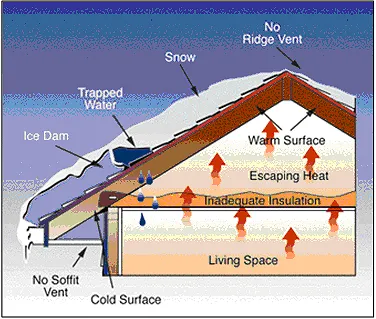
Whether homeowners insurance covers ice dam damage depends entirely on the specific policy, since coverage language and exclusions vary by insurer and by plan. Many policies do cover sudden and accidental water damage caused by an ice dam, but some policies distinguish between damage from a sudden event and damage attributed to a maintenance issue like inadequate attic insulation or ventilation, and that distinction can affect whether a claim is approved. The strongest position a homeowner can be in is having the damage thoroughly documented at the time it occurs, along with a professional assessment that speaks to the cause, since that documentation is what an adjuster actually works from when deciding a claim.
Special Savings Offer
Get Your Free Estimate & Safeguard Your Property Today
What Actually Happens During an Ice Dam Insurance Claim
How Coverage Decisions Get Made, and What Helps a Claim Succeed
Ice dam insurance claims are decided based on documentation and policy language more than on how severe the damage looks to the homeowner. Understanding the process and what adjusters are actually looking for can make the difference between a claim that gets approved smoothly and one that gets disputed or reduced.
What typically affects coverage
Sudden versus gradual damage language: Many policies cover sudden water damage but exclude damage the insurer considers a result of ongoing neglect or a known maintenance issue, which is part of why the cause of the ice dam matters to a claim.
Prior claims or known issues: A home with a documented history of repeated ice dam damage without any attempt to address the underlying cause may face more scrutiny on a new claim.
Specific policy exclusions: Some policies have specific language around ice dam or water backup coverage that differs from standard wind or hail coverage, which is worth understanding before an event occurs rather than after.
What documentation actually helps a claim
Photos of the ice dam and damage before removal: Documenting the ice buildup and any visible interior or exterior damage before work begins gives an adjuster a clear record of the original condition.
A professional assessment of cause and extent: A contractor's written assessment describing what caused the ice dam and what damage resulted carries weight with an adjuster beyond a homeowner's own account.
Itemized repair estimates: A detailed, itemized estimate for repairs makes it easier for an adjuster to evaluate and approve the actual scope of damage rather than a vague total.
What a contractor can do during the claims process
Direct communication with the adjuster: A contractor experienced with ice dam claims can speak directly to the adjuster about the technical details of the damage and repair scope.
Supplementing a claim: If an initial insurance scope misses damage that is actually present, a contractor can document and request that the scope be supplemented to reflect the full repair need.
Explaining cause versus damage clearly: Separating what caused the ice dam from what damage it produced helps clarify a claim that might otherwise get bogged down in a dispute over maintenance versus sudden loss.
How Elevation Exteriors Supports an Ice Dam Insurance Claim
Elevation Exteriors documents ice dam damage thoroughly at the time of service and communicates directly with the homeowner's insurance adjuster when a claim is being filed, which gives the claim the kind of documentation and technical explanation adjusters actually respond to. This does not guarantee coverage, since that decision ultimately comes down to the specific policy, but it gives a homeowner the strongest possible starting position. Are ice dams dangerous for my roof?
Process
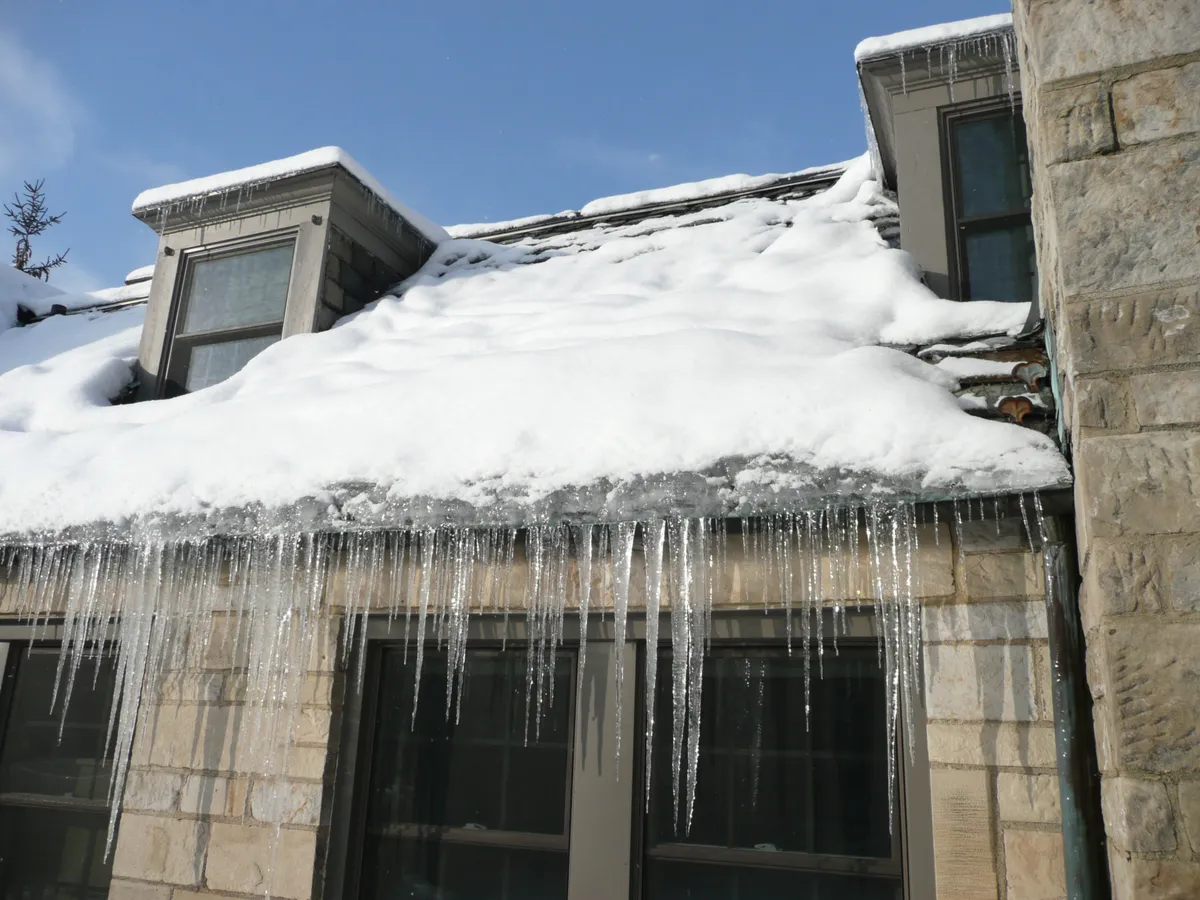
Our Ice Dam Removal Process
Step 1: Contact Our Team
Call or fill out the form. We'll assign you a dedicated point of contact and get you scheduled quickly.
Step 2: Detailed Property Assessment
We inspect the ice buildup, roof condition, and interior damage, and identify what's causing it.
Step 3: Review Your Estimate
Our estimates are free, accurate, and designed to make the entire process pain-free! Your designated project manager will walk you through each line item, ensuring all of your questions are answered in-depth.
Step 4: Removal & Repairs
Our crew safely removes the ice and makes any needed repairs. You'll get text updates the whole way.
Step 5: Clean-Up & Prevention Plan
We leave your home clean and give you a plan to help prevent ice dams from returning.
FAqs
Common questions Your Neighbors Are asking
Should I call insurance before or after the ice dam is removed?
It is worth documenting the damage with photos before removal when possible, but do not delay a removal that is actively causing damage just to wait on an insurance response, since further delay usually means more damage rather than a better claim outcome.
Will filing an ice dam claim raise my insurance rates?
That depends on the insurer and the homeowner's overall claims history, which is a question best directed to the insurance company or agent directly rather than assumed either way.
What if my claim gets denied?
A denied claim can sometimes be appealed with additional documentation or a more detailed contractor assessment, and reviewing the specific denial reason is the first step in deciding whether that is worth pursuing.
Elevating Exteriors Across The Greater Twin Cities.
St. Francis MN
East Bethel MN
Blaine MN
Anoka MN
Coon Rapids MN
Ramsey MN
& More




The Twin Cities' Trusted Exterior Contractor. Proudly Serving Andover, MN and the surrounding NW Metro.
Licensed & Insured in MN: #cR806992
Copyright 2026. Elevation Exteriors. All rights reserved.