
Supporting Local Heroes: Special Savings Available For Veterans & First Responders
Storm and Hail Damage Roofing in Andover
Hail and Storm Damage Roof Repair in Andover, MN, Documented for Your Adjuster
What Storm Damage Roofing Covers
Hail and Wind Damage Roofing for Andover and Anoka County
Storm damage roofing covers the inspection, documentation, and repair or replacement of roofs damaged by hail, wind, or falling debris. It starts with working out how much of the roof was actually affected, because a storm can leave one slope untouched and another beyond saving. Homeowners search for it after hearing hail on the roof, finding shingles in the yard, or being told by a neighbor or adjuster to get the roof checked. The work is narrower than a standard replacement and is organized around proving what the storm did.
Hail damage inspection: A slope by slope check for bruised shingles, granule loss, and fractures that cannot be seen from the ground. The findings are photographed and recorded.
Wind damage repair: Creased, lifted, or missing shingles repaired or replaced where the seal strip failed. Wind usually hits the slopes facing the storm hardest.
Storm related full replacement: A complete tear off when damage is spread across enough of the roof that repair no longer makes sense. Often handled together with an insurance claim.
Collateral damage checks: Vents, flashing, gutters, and siding checked for dents and impact marks. These show how hard the storm hit and support the claim.
Class 4 impact resistant upgrades: Shingles rated for hail impact installed when a roof is rebuilt after a storm, which can qualify for insurance discounts in hail prone areas.
Special Savings Offer
Get Your Free Estimate & Safeguard Your Property Today
Why and When It Matters
What Storm Damage Looks Like, and Why Timing Matters
Hail damage is easy to miss from the ground. A bruised shingle can look intact while the fiberglass mat under the granules has fractured, and that bruise lets water in over the next several seasons rather than the next day. Wind works differently, creasing shingle tabs or lifting them until the seal strip fails, and it often leaves damage on only the slopes that faced the storm. Minnesota hail season runs from spring through late summer, with more wind and storm activity into early fall, so a roof can take hits in several different months of the same year. Storm damage rarely stops at the shingles either, since hail dents vents, flashing, gutters, and siding, and those marks tell an adjuster how hard the storm hit. Because carriers expect claims to be reported within a set window after the storm date, the timing of an inspection matters as much as what the inspection finds. Knowing what storm damage looks like and what a claim needs makes the next decision much clearer.
Why Storm Damage Deserves a Real Inspection
Hail bruising shortens roof life before anything leaks: A fractured mat under the granules weakens the shingle even when the surface looks fine. The roof may hold for a season or two and then start leaking at the damaged spots, long after the storm is forgotten.
Wind damage opens the edges first: Lifted or creased tabs let wind driven rain under the shingles at the edges and corners of the roof. The damage often shows up on one or two slopes, which is why an inspection covers the whole roof and not just the side facing the street.
Collateral damage tells the story of the storm: Dents in vents, flashing, and gutters help document hail size and direction. An adjuster can use those marks to confirm that the roof damage came from a storm and not from age.
Unrepaired damage complicates later claims: A roof with existing, unaddressed storm damage is harder to cover after the next event. Documenting and repairing damage promptly keeps the history of the roof clear.
When to Act After a Storm
Soon after any hail or wind event: Policies set reporting windows after the storm date, and those windows vary by carrier. A prompt inspection also gives photos taken close to the date of loss, which is the strongest kind of documentation.
Before the next storm season stacks more damage on top: A second hailstorm on an already damaged roof makes it harder to tell what came from which storm. Getting the first event documented keeps later claims clean.
Before the fall rush: Roofing demand in Anoka County peaks in September and October. Inspecting and filing earlier in the season means shorter waits for materials and crews.
Before signing anything handed to you at the door: Contractors who descend on neighborhoods after a storm often push contingency agreements the same day. Taking a few days to get an inspection and compare is almost always the better path.
How Storm Damage Gets Handled
The Elevation Exteriors Storm Damage Process
Step 1: Free Storm Inspection with Photo Documentation
The crew inspects each slope, the ridge, vents, flashing, and gutters, and photographs every area of damage with notes. You get a dedicated point of contact who explains what was found in plain language and answers questions as they come up.
Step 2: A Written Scope You Can Hand to Your Adjuster
The findings are turned into a clear written scope of damage. This gives the adjuster something specific to work from instead of a general description of the storm.
Step 3: Direct Communication with Your Adjuster
Elevation Exteriors communicates with your adjuster on your behalf, reviews the scope of loss once it is issued, and supplements the claim if items were missed. You do not have to translate roofing terms for the carrier on your own.
Step 4: An Honest Repair or Replacement Recommendation
You are told whether the damage calls for a repair or a full replacement, and why. Sharing that reasoning openly is part of how Elevation Exteriors works, so the decision is yours and not a sales pitch.
Step 5: Installation with a Decking Check
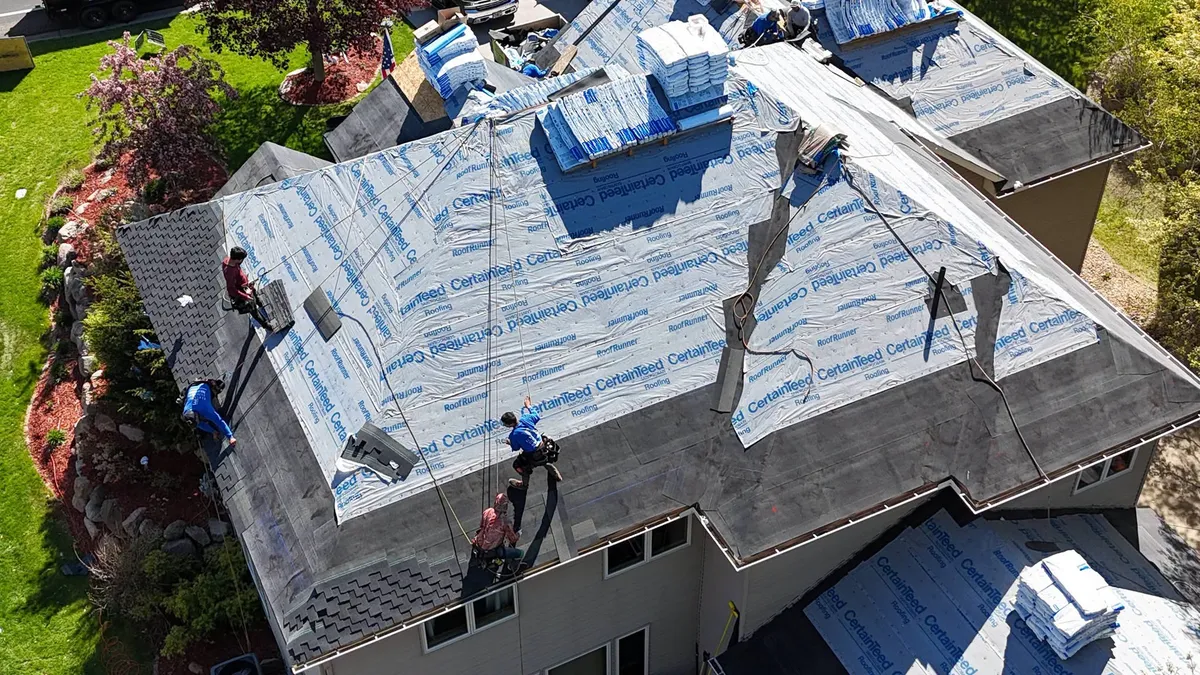
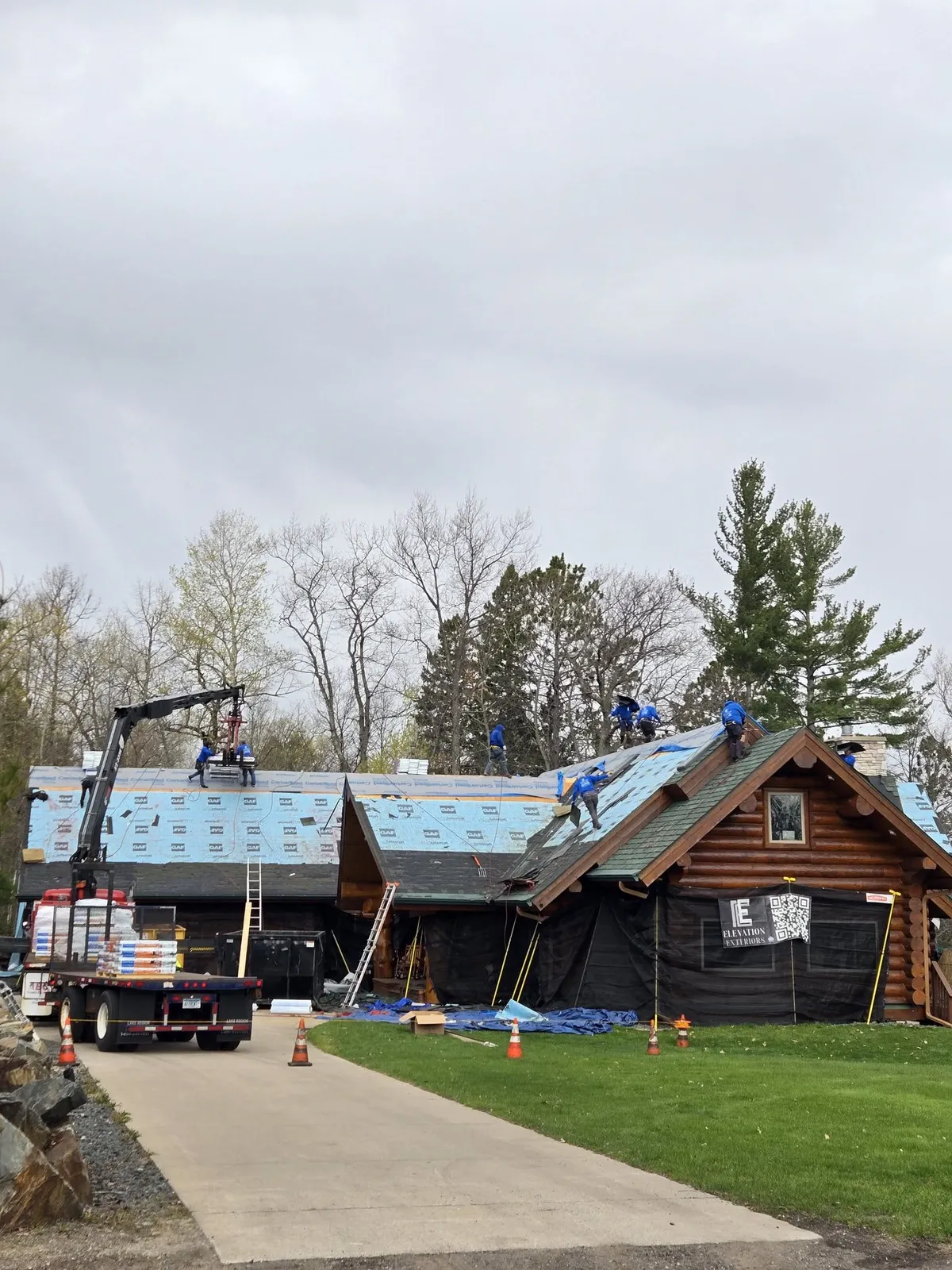
If the roof is replaced, the decking is inspected and photographed before new material goes on, and the new roof is installed as a CertainTeed Premier ShingleMaster certified contractor, which supports a 50 year warranty covering materials and labor. Text updates keep you informed through the day.
Step 6: Cleanup and Final Walkthrough
A magnetic roller sweep clears nails from the lawn and driveway, and the project manager walks the finished work with you. You leave with the photos and a clear record of what was done.
FAqs
Common questions Your Neighbors Are asking
How do I know if hail damaged my roof?
Hail damage often cannot be seen from the ground, so look for granules collecting in gutters, dents on vents and flashing, and soft spots on the shingles. A professional inspection is the reliable way to know, because bruises on the fiberglass mat do not always show in a quick look. The inspection should include photos of every area of damage.
Will insurance cover storm damage to my roof?
That depends on your policy and on how well the damage is documented. Storm damage is commonly covered when it is reported promptly and supported by photos and a clear scope. Elevation Exteriors documents the damage and works with your adjuster, but coverage is decided by the carrier. Learn more about insurance claim roofing.
Should I sign with the contractor who knocked on my door after the storm?
It is worth slowing down before you do. Contractors who travel to storm areas often ask for a contingency agreement on the spot and can be hard to reach once the insurance money is paid. A local contractor with a permanent address and a record of reviews does not need to work that way. Learn more about how to vet a roofer after a storm.
Can storm damage be repaired, or does the whole roof need replacing?
It depends on how widespread the damage is and the age of the roof. Isolated wind damage on one slope is often repairable, while hail damage spread across multiple slopes usually calls for a replacement. You get a clear recommendation and the reasoning behind it before any decision is made.
How long do I have to file a roof damage claim?
The window depends on your policy, so check your policy language or ask your agent for the deadline. In general, filing soon after the storm gives the strongest documentation. If you are unsure, getting an inspection first is a low pressure way to see where you stand.
Elevating Exteriors Across The Greater Twin Cities.
St. Francis MN
East Bethel MN
Blaine MN
Anoka MN
Coon Rapids MN
Ramsey MN
& More




The Twin Cities' Trusted Exterior Contractor. Proudly Serving Andover, MN and the surrounding NW Metro.
Licensed & Insured in MN: #cR806992
Copyright 2026. Elevation Exteriors. All rights reserved.